The report provides an in-depth analysis of the current status, challenges, and gaps in addressing Sexual and Reproductive Health (SRH) and Menstrual Hygiene Management (MHM) in Kenyan schools, highlighting key areas where improvements are needed.
In Kenya, SRH and MHM education have been integrated into the school curriculum under the Competency-Based Curriculum (CBC), but implementation remains inconsistent. While some progress has been made in providing girls with menstrual hygiene products and SRH education, significant gaps persist in rural and underserved areas.
- SRH Issues: Teenage pregnancies, gender-based violence, and limited access to contraception are prevalent among adolescents in Kenyan schools. Nearly 1 in 5 girls aged 15-19 have begun childbearing. A lack of contraceptive use among adolescents contributes to high rates of unintended pregnancies.
- MHM Issues: Only 46.1% of women in Kenya have access to adequate menstrual hygiene products, and schools often lack the necessary sanitation facilities to manage menstrual health effectively. Despite government initiatives, only 30% of schools have adequate sanitation infrastructure for MHM.
The report identifies systemic and cultural barriers hindering the effective implementation of SRH and MHM services in schools, particularly in rural and marginalized areas:
- Cultural and Social Barriers: Cultural norms and taboos surrounding menstruation and SRH often result in stigma and misinformation. In conservative communities, discussions around sexuality are considered inappropriate, making it difficult
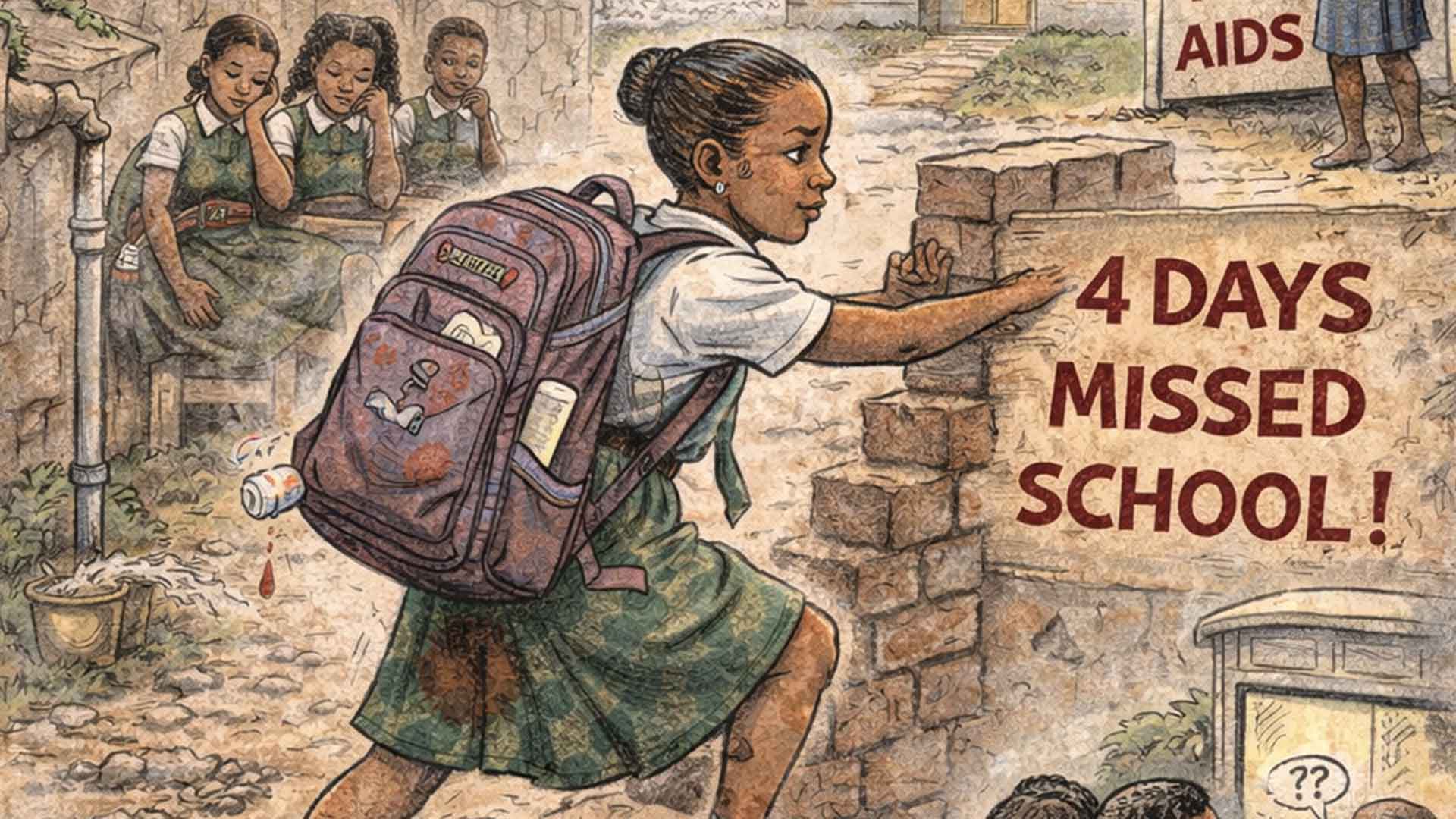
for girls to access SRH education and services. Menstruation is stigmatized, leading to absenteeism and poor educational outcomes for girls. Sexual Reproductive Health and Menstrual Hygiene Management. - Patriarchy and Gender Inequality: Patriarchal structures further limit women’s autonomy over their reproductive health. Menstruation and SRH issues are often de-prioritized by decision-makers, leading to underfunding and poor infrastructure for girls’ health needs.
- Inconsistent Policy Implementation: National policies aimed at improving SRH and MHM are not uniformly applied across the country, with resource allocation often falling short, especially in remote and arid regions. Many schools lack proper WASH (Water, Sanitation, and Hygiene) facilities, which are crucial for managing menstruation in a dignified way.
- Economic Barriers: In low-income areas, girls struggle to afford sanitary products, and despite government efforts, access remains uneven, particularly in informal settlements. This leads to high rates of absenteeism, as girls miss school during menstruation.