GiEM
Our Story
The Gender in Education Movement (GiEM) was born out of urgency and collective resolve.
Between 2023 and 2024, a series of national dialogues brought together civil society organizations, researchers, educators, and advocates to confront the realities of gender inequality in education. What emerged was clear: fragmented efforts were not enough.
GiEM was established as a unified national movement—bringing together diverse actors under a shared vision to drive sustained, system-level change. Today, GiEM is a growing platform for coordinated advocacy, knowledge sharing, and collective action.
Our work aligns with global commitments, including the Beijing Declaration (1995) and the Sustainable Development Goals—SDG 4 (Quality Education) and SDG 5 (Gender Equality).
The Challenge
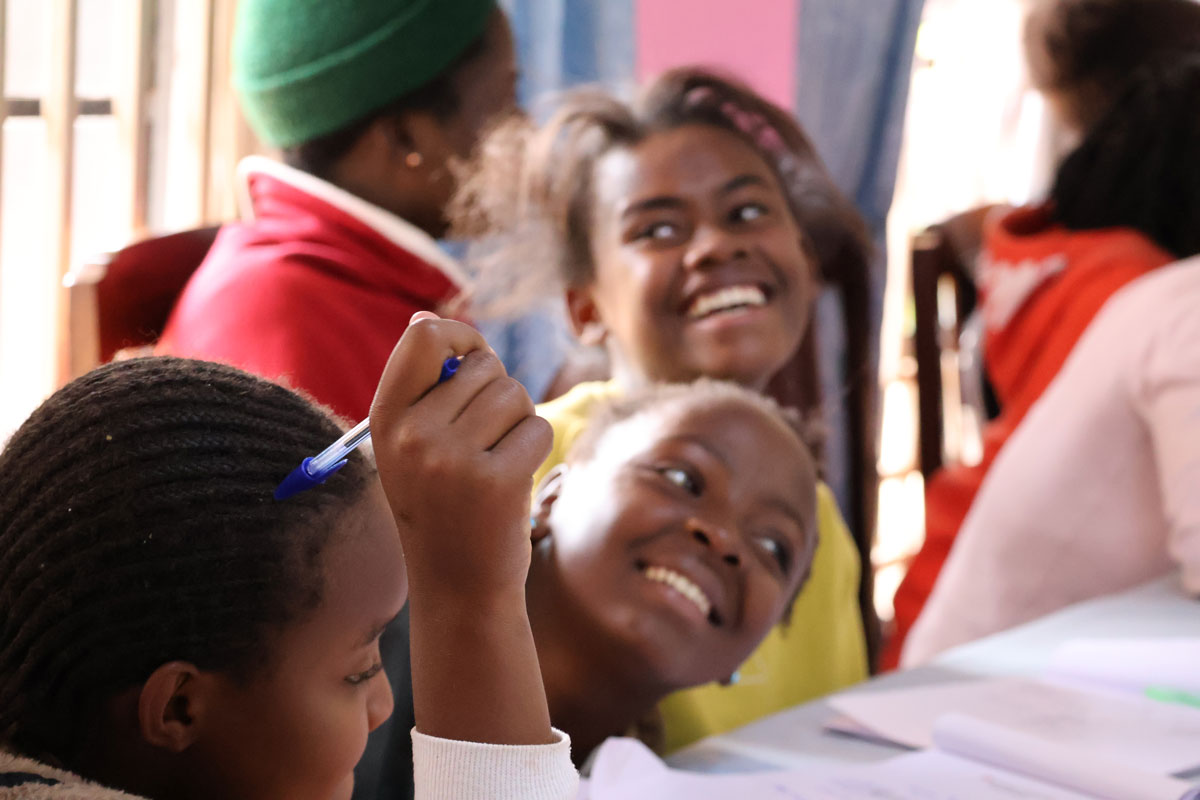
Across Kenya, too many learners—especially girls—are still denied their right to education. Poverty, gender-based violence, harmful cultural practices, climate shocks, and the digital divide continue to push children out of school and limit their opportunities to thrive.
While policies exist, gaps in implementation and accountability mean that inequality persists—silently shaping futures and limiting national progress.
Our Approach
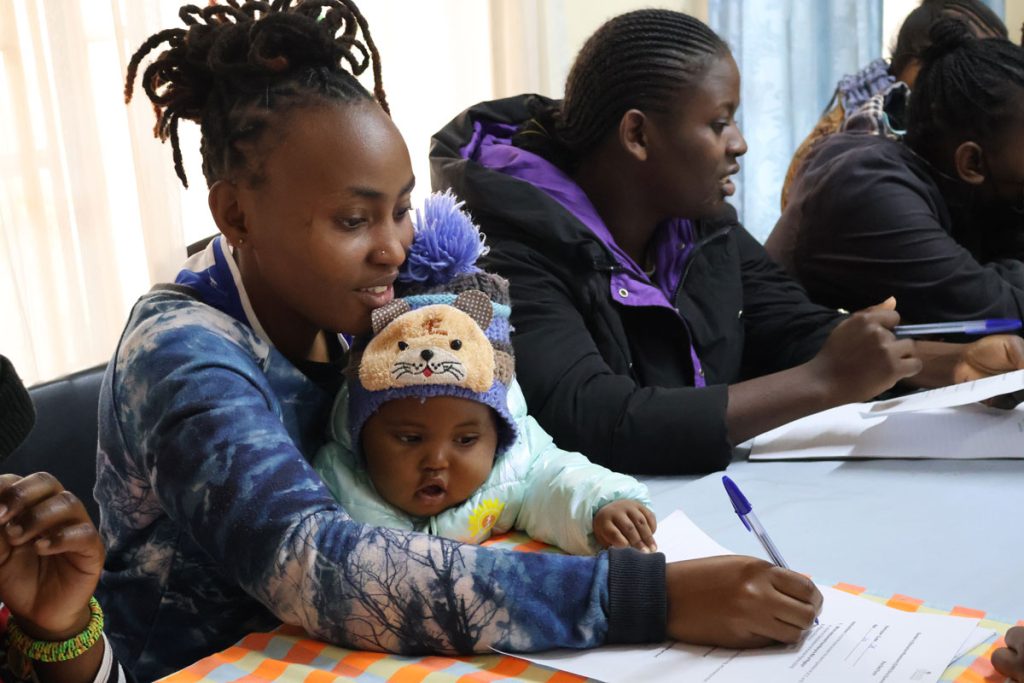
GiEM works at the intersection of evidence, advocacy, and collaboration to drive lasting change. Our approach is guided by four core principles:
- Evidence-driven action: We translate research, data, and lived experiences into actionable advocacy.
- Intersectional inclusion: We address the multiple and overlapping barriers learners face.
- Intergenerational collaboration: We elevate youth voices while leveraging institutional expertise.
- Systems-level transformation: We focus on policy implementation, accountability, and sustainable reform.
Why GiEM Matters
Education is one of the most powerful investments in gender equality. When girls and boys are able to learn, stay in school, and thrive, the impact extends beyond individuals—to families, communities, and entire economies. GiEM exists to ensure that:
- Policies are not only adopted, but implemented
- Systems are not only designed, but held accountable
- Learners are not only enrolled, but supported to succeed
GiEM’s Members
Hits: Progress Amid Challenges
Giem builds on Kenya’s historic strides in gender-responsive education:
10+ Protective Policies enacted, including the Children’s Act 2022, Basic Education Act 2013, School Re-Entry Policy; Prohibition of FGM Act, among others safeguard girls’ rights to education and safety.
Primary school enrolment for girls reached 90% in 2023, with a near-parity Gender Parity Index (GPI) of 0.98.
95% of girls from marginalized regions transition to tertiary education through scholarships
Grassroots campaigns like Imarisha Msichana reduced school dropouts by 15% in rural areas.
20% of Kenyan girls aged 15–19 endure physical violence, while 16% face sexual violence (KDHS, 2022).
Misses: Persistent Barriers
Yet, critical gaps persist:
In 2022, 150,000 girls dropped out due to pregnancy, reflecting stagnant rates over the past decade (KDHS, 2022).
Only 40% of girls in arid regions complete primary school, compared to 80% in urban areas.
5% of girls miss school monthly due to lack of sanitary products.
A 60:1 pupil-teacher ratio strains learning quality.